(Antigua Observer) Financial technology companies are moving into Caribbean banking without facing the same regulatory or tax obligations as traditional institutions, and union officials warn that workers, not just the banks, are paying the price.
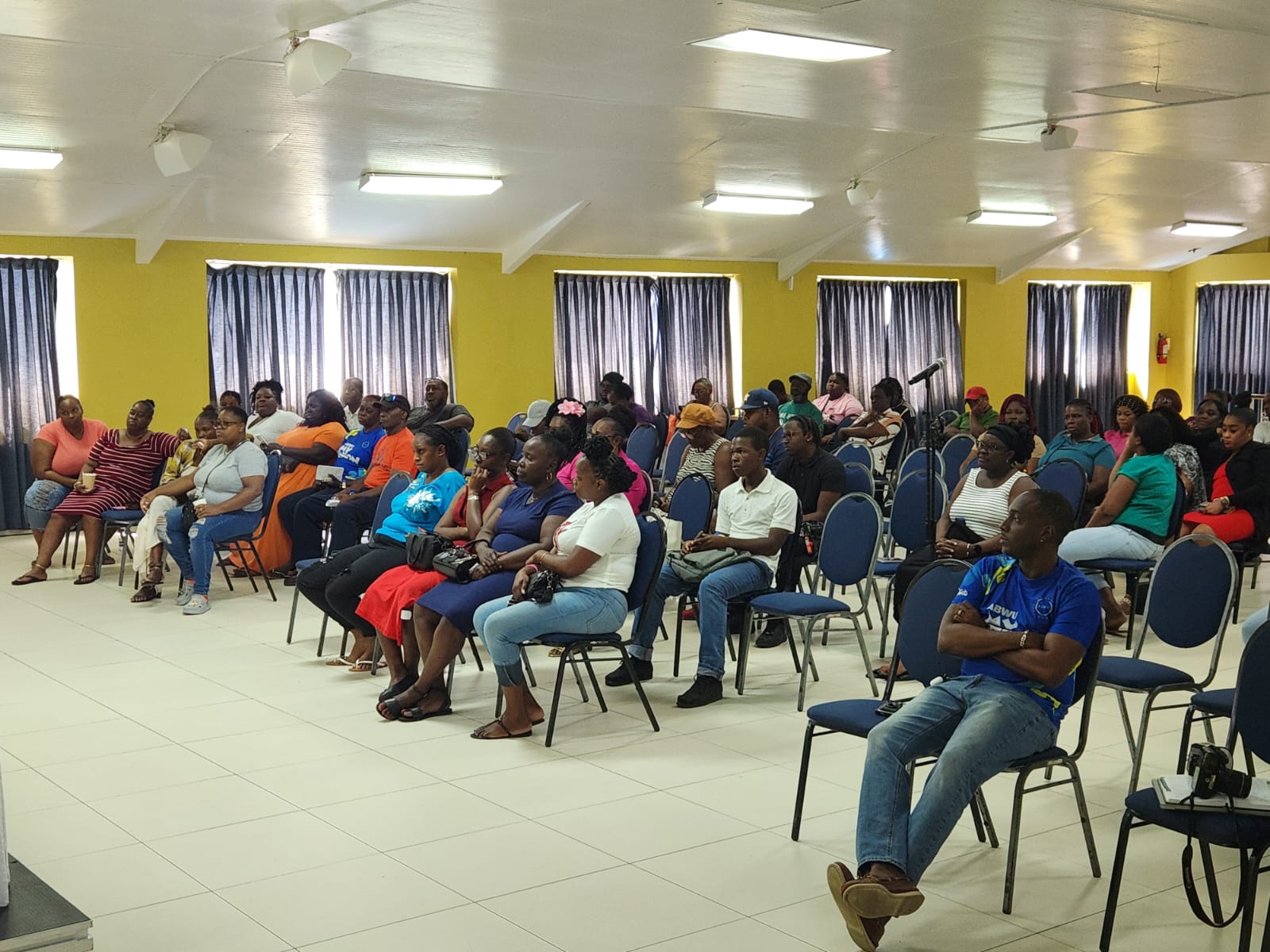
UNI Global Union raised the alarm during a visit to Antigua and Barbuda, the final stop on a four-country Caribbean tour. Americas Regional Secretary Marcio Monzane said the unchecked rise of fintech represents a growing threat to workers in the financial services sector, where jobs once considered stable are increasingly being displaced by digital platforms operating outside established frameworks.

Marcio Monzane
“In the banking industry, there is a shift from a traditional bank into a finance technology industry that they are taking over part of the business, even without proper regulation,” Monzane said. “They’re not paying the same tax that the banks are paying, so there is a huge discussion on this.”
Monzane said the issue extends beyond labour concerns and speaks directly to questions of fair competition and fiscal responsibility across the region.
UNI Americas Regional Vice President Trevor Johnson pointed to the digitalisation drive already underway among major regional banks as evidence of the scale of the shift. He cited the move by one major bank to introduce what it described as a fully digitised branch in Trinidad designed to minimise human interaction and route customers toward machines and online platforms.
Johnson said the pace of that transformation has outstripped the ability of Caribbean legislatures to respond, leaving workers without adequate legal protection as the sector evolves around them.
He said the broader fintech challenge compounds an already difficult environment for banking workers, particularly as multinational institutions make decisions at regional or global levels that affect employees across multiple Caribbean countries simultaneously, with each country’s workforce subject to different legislative frameworks and varying degrees of protection.
Monzane said UNI Global Union’s position is clear: fintech firms must be brought within the same regulatory environment as traditional banks, and workers in the sector must be part of any conversation about how that transition is managed.
“It’s not only a labour problem,” Monzane said. “It’s a problem that society needs to address.”