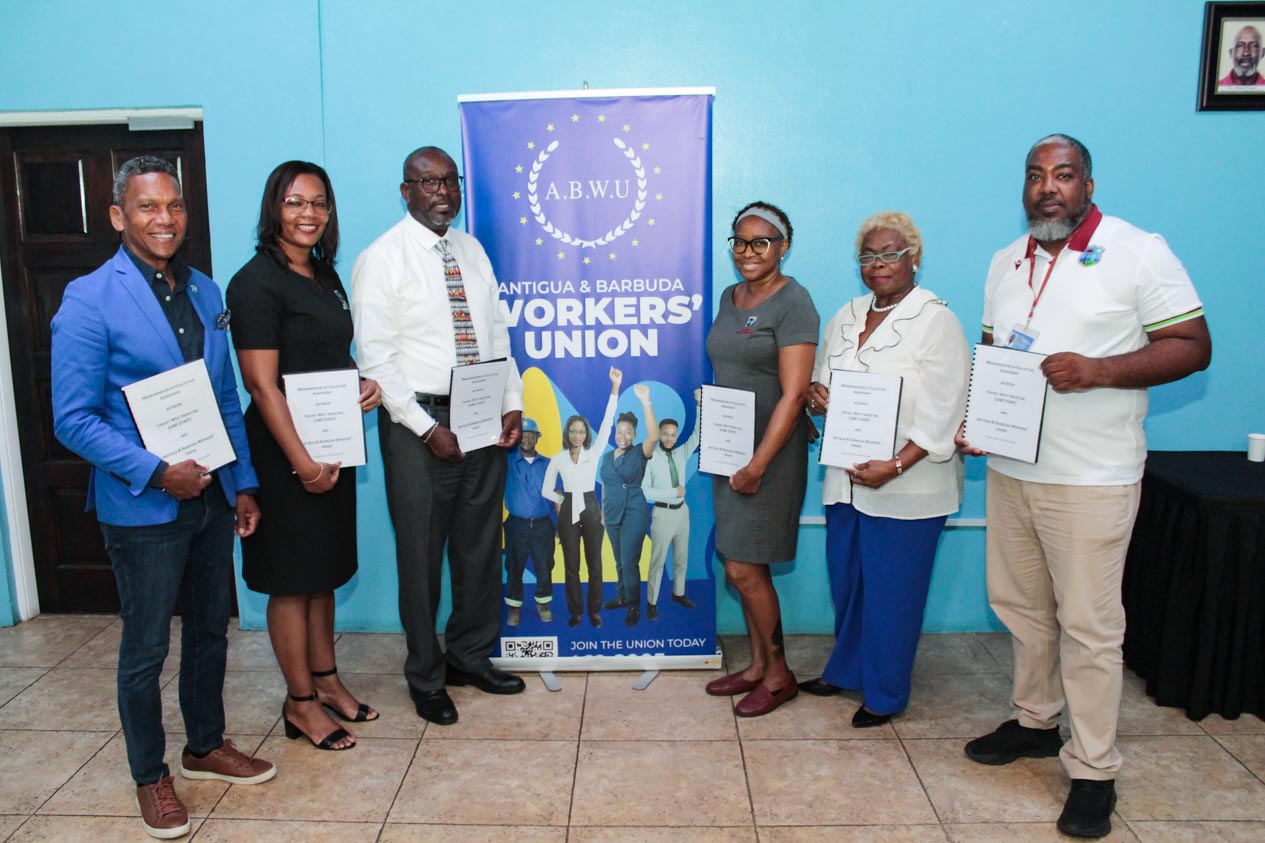
(The Daily Observer) The Antigua and Barbuda Workers’ Union (ABWU) has called for an urgent overhaul of the country’s 51-year-old labour code, warning that it no longer adequately protects workers amid the rise of remote employment, gig work and artificial intelligence.
Union officials issued the call at the organisation’s 59th annual delegates’ conference, saying reform now requires immediate government action.
The code, last comprehensively revised in 1975, has failed to keep pace with changes in the workplace. Delegates heard that it does not adequately address digital surveillance, the use of artificial intelligence or worker data protection, leaving room for employers to exploit workers through contract-classification schemes.
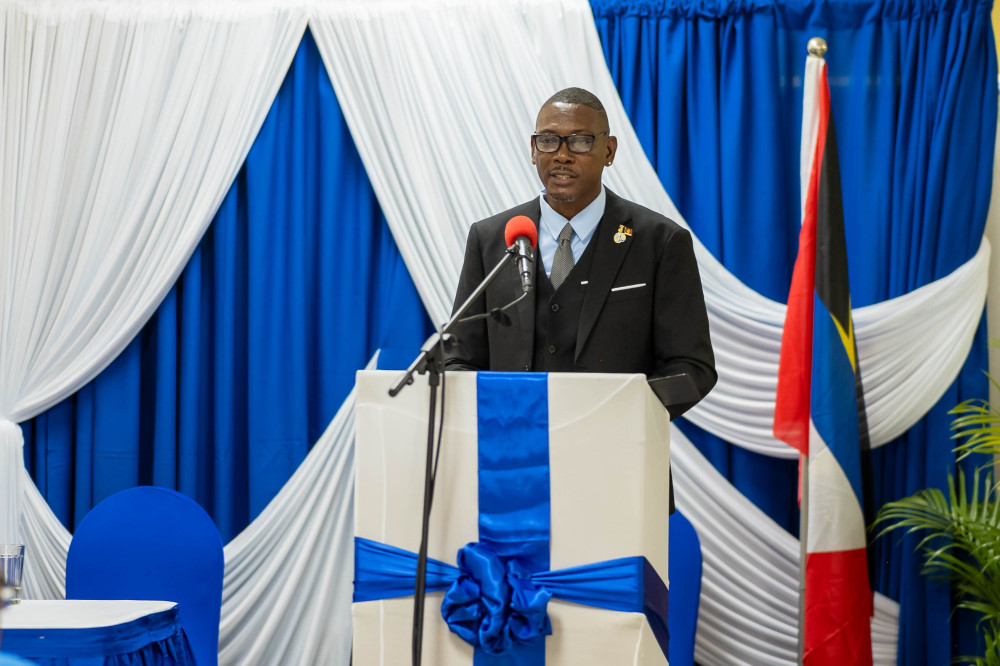
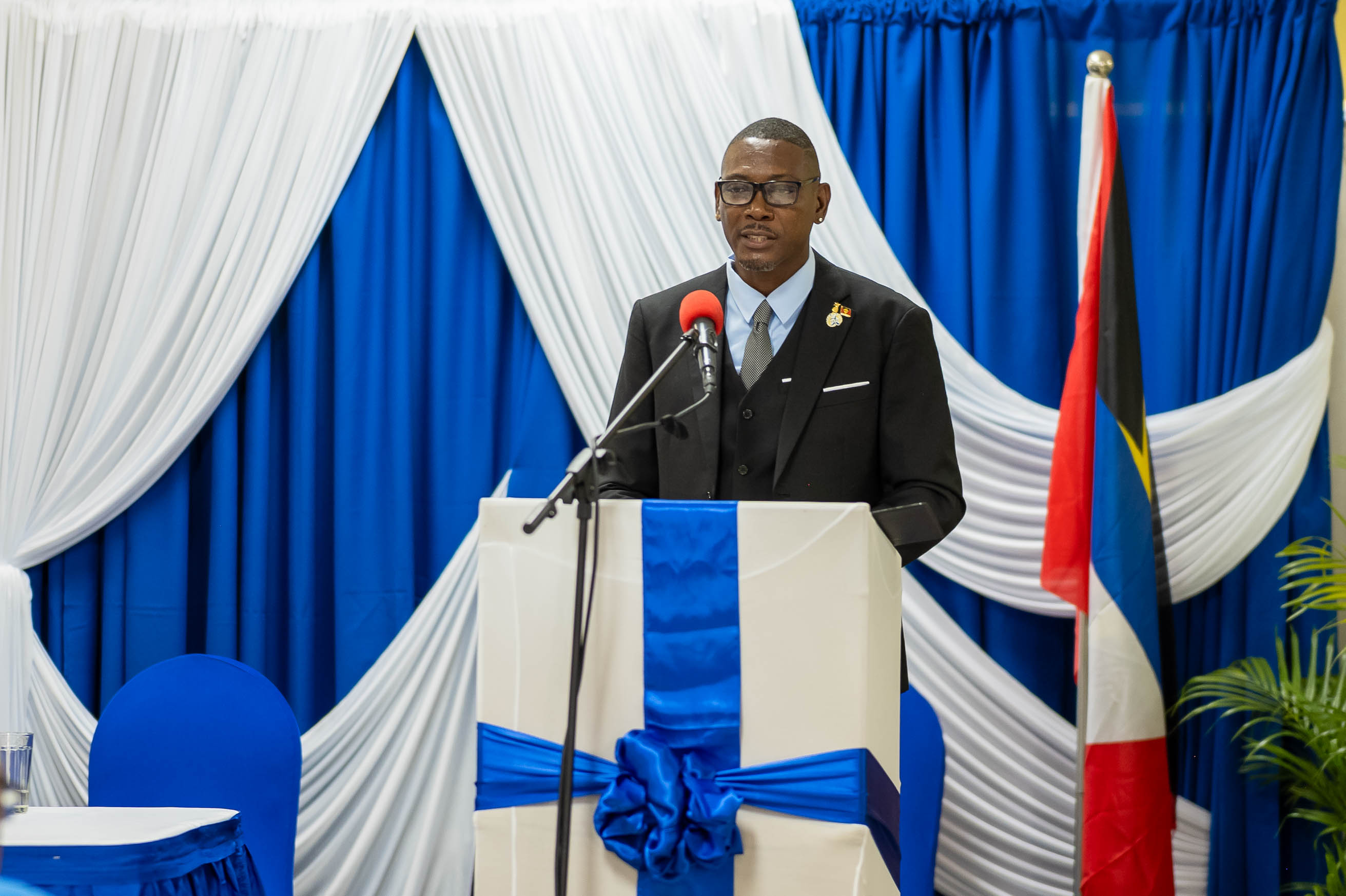
Kem Riley - Outgoing President
Outgoing union president Kem Riley said employers circumvent existing protections through temporary contracts and independent-contractor arrangements that strip workers of statutory rights and job security. “In 2019, the Antigua and Barbuda Labour Code was amended, and the employment of temporary employees should have been a thing of the past,” Riley said. “However, we are seeing employees being issued with temporary employment contracts.”
“Whilst flexibility has its place, we must ask the important question: are we creating flexibility for workers, or are we creating insecurity and instability for workers? There is a difference,” he said.
He warned that, without legislative intervention, workers would remain vulnerable to reclassification. “A worker does not become an independent contractor simply because someone writes those words on a piece of paper.”
Riley also called for the union to become “an even stronger advocate for training and retraining”, warning that technological change could otherwise permanently displace workers.
Delegates identified critical gaps in the current legislation, saying remote and hybrid work lack clear protections, gig-work classifications deny workers statutory entitlements and artificial intelligence is being deployed without mandatory consultation with workers. Speakers said employers exploit these gaps to avoid pension contributions, sick leave, severance payments and occupational health protections.
Without updated legislation, delegates heard, Antigua and Barbuda risks attracting employers precisely because worker protections are weak and enforcement is outdated.
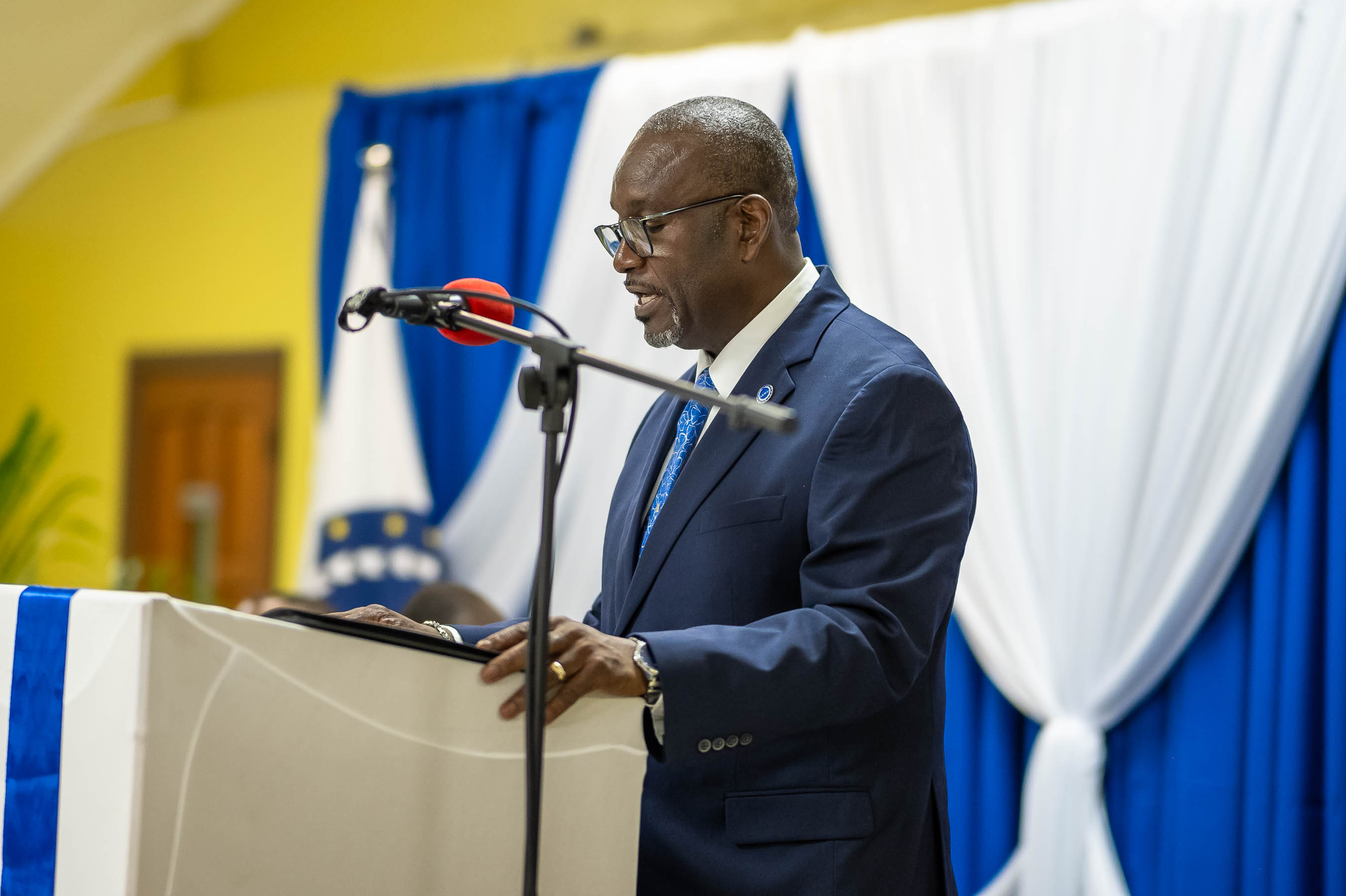
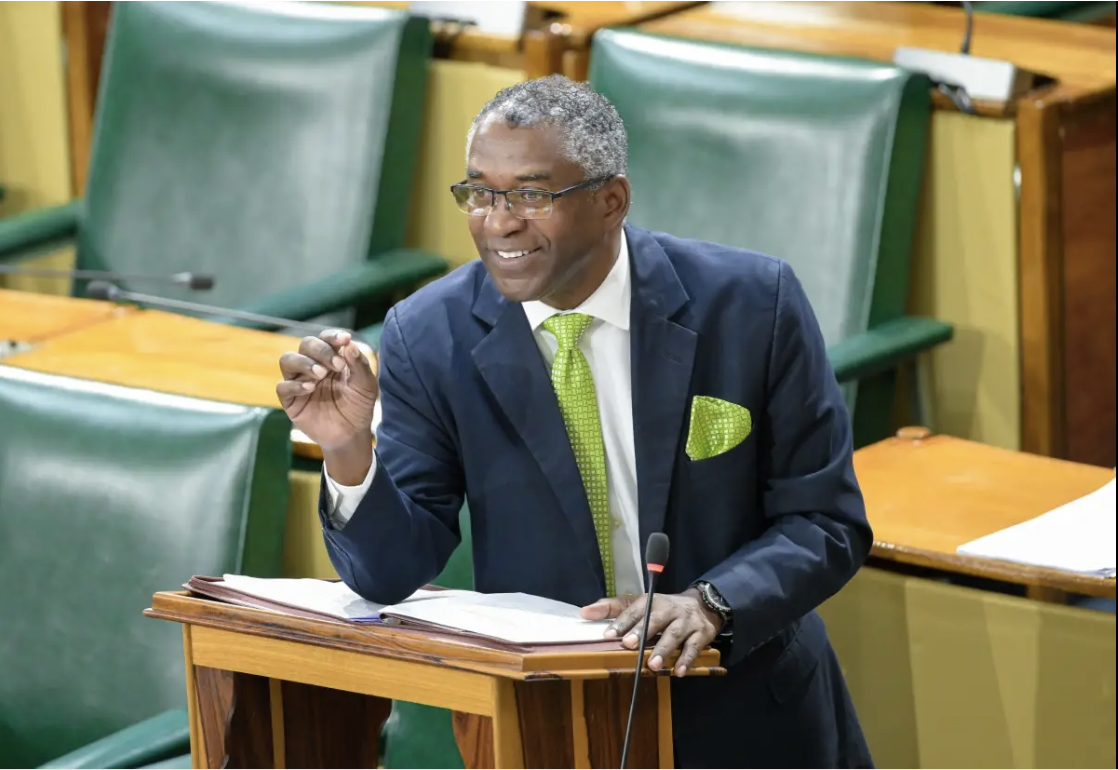
Regional support came from Kavan Gayle, president-general of Jamaica’s Bustamante Industrial Trade Union and a senator in the Jamaican Parliament, who has represented service-sector workers for more than three decades.
“You cannot have a code of decades ago that is treating with the environment to which we are operating now,” Gayle declared. “And you cannot demand changes in the working class without changing the framework in which the working class have to operate with.”
Gayle supported modernising the labour code and acknowledged that the process would require consultation with the government, employers and civil society, but cautioned that further delay was unacceptable. “The fact of the matter, you know, is that you don’t trust government, you don’t trust employers, but trade unions, for some reason, are the trusted partners. So how are you going to leave us from the table?”
He proposed a regional approach based on common standards to prevent a “race to the bottom” in which countries compete by weakening worker protections.